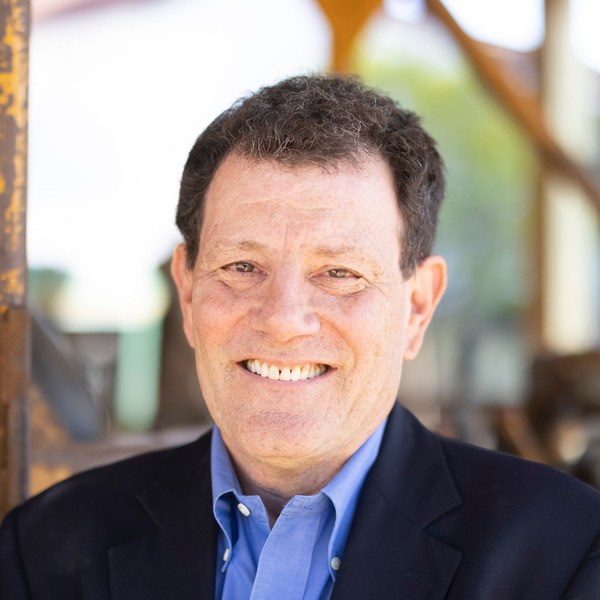
Nicholas Kristof chose Saga Education as a winner of his 2026 Holiday Impact Prize. Every holiday season since 2009, the two-time Pulitzer Prize winner and New York Times columnist has introduced his readers to highly impactful nonprofits. This year, Saga is one of three selected and the only organization working in the United States.
One million students risk failing Algebra 1 every year.
Saga has a proven way to help them catch up: a trained tutor in their corner, all year long. For $1,500, you can give one student that tutor.
Your donation can go 3–4 times as far
King Philanthropies, the Rockefeller Foundation, and three anonymous donors will match all reader donations to the Holiday Impact Prize campaign through January 31, 2027, up to $13.25 million.
In addition, the first $515,000 raised for Saga Education will be matched by several funders. Three anonymous donors have committed up to $265,000, IMC Foundation of Chicago up to $150,000, and Overdeck Family Foundation up to $100,000.
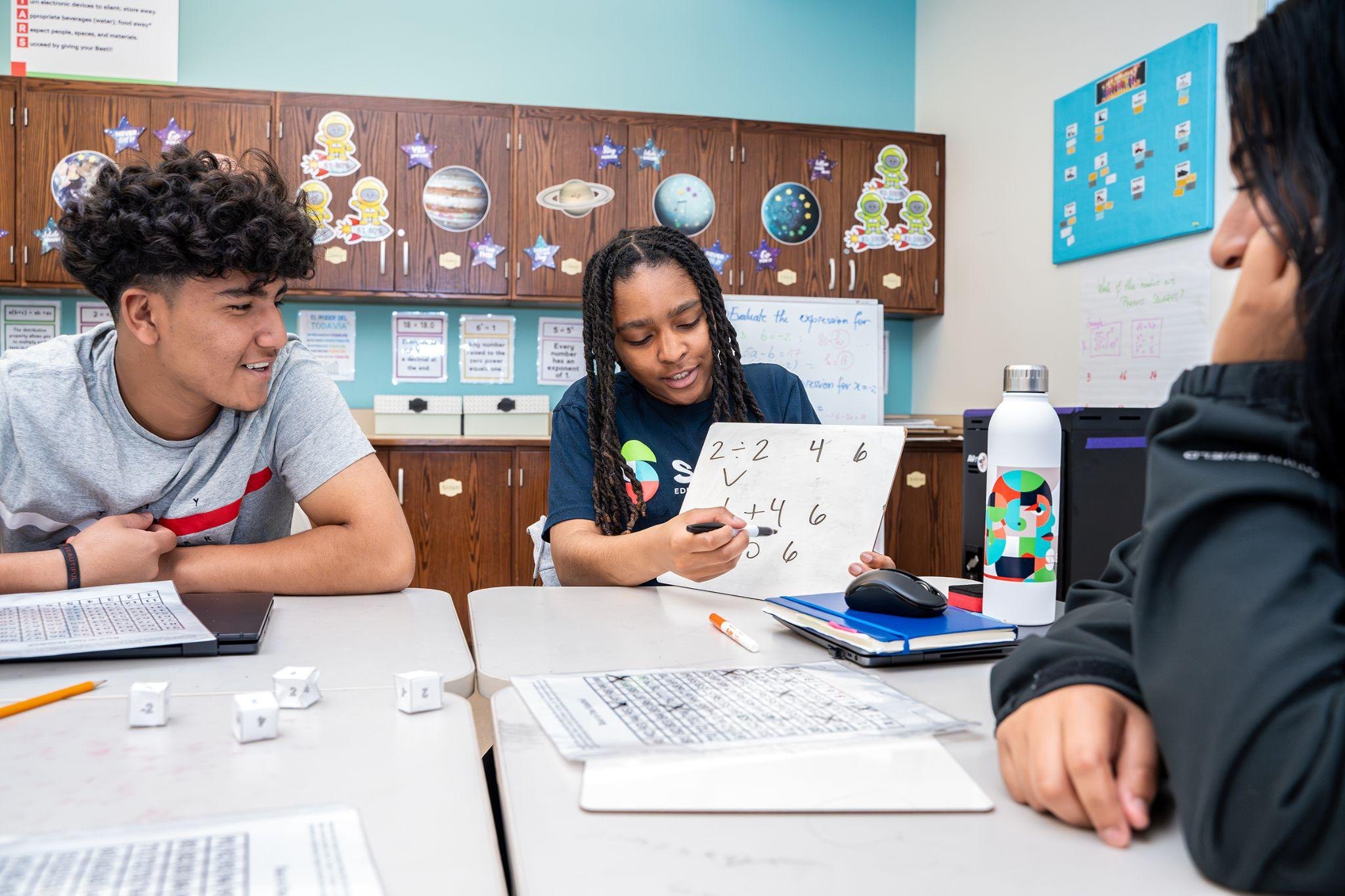
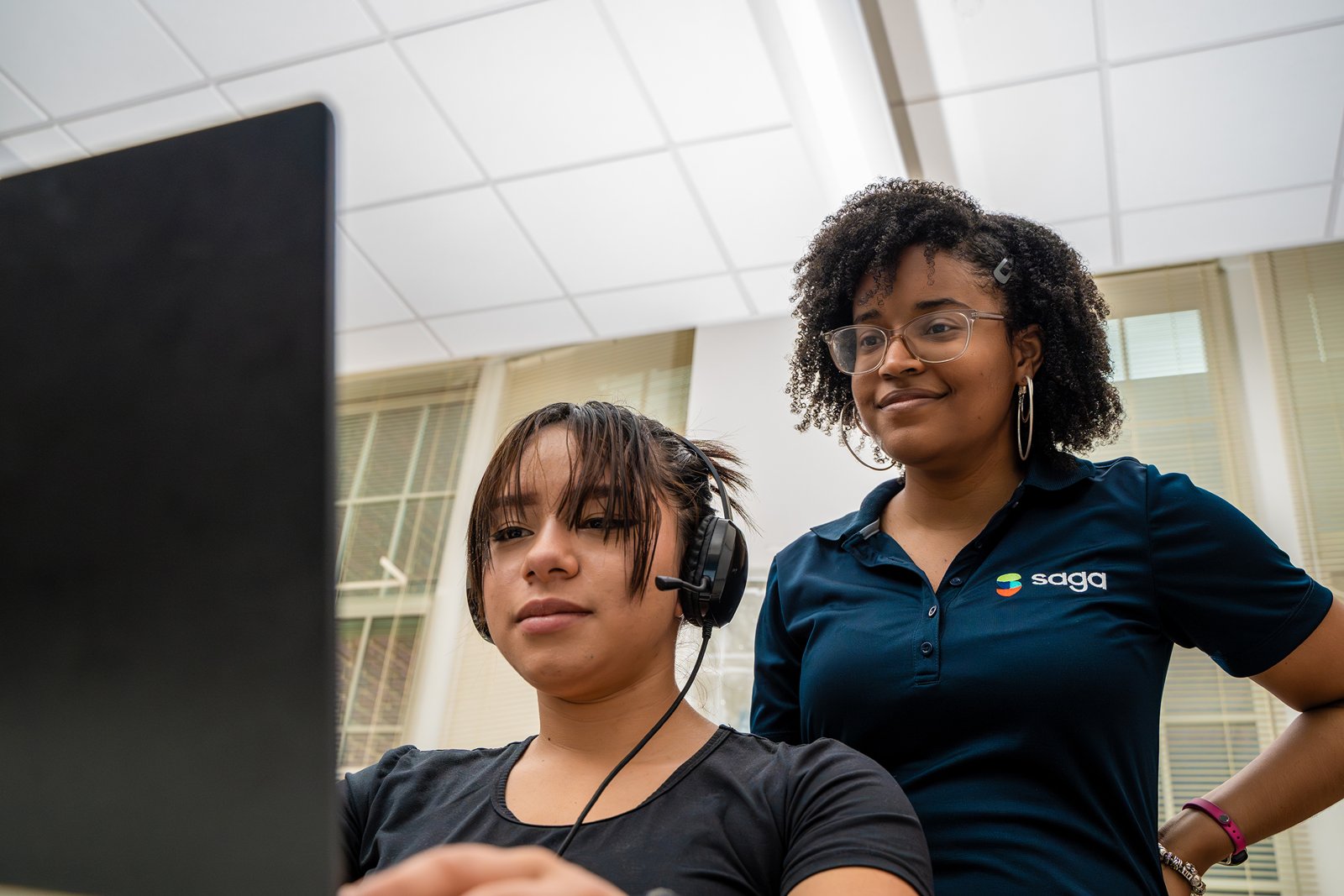
Saga Education places trained tutors in middle and high schools, where they work with small groups of students during the school day, all year.
Independent researchers rate Saga’s small-group tutoring model Top Tier, the highest level of evidence. Few programs earn the rating from Arnold Ventures’ Social Programs That Work review, which requires repeated randomized trials in real schools. Saga’s model also meets the federal government’s highest evidence standard.
“Saga Education brings the kind of individualized math tutoring affluent families pay for into the public school day, supporting students in ways that can be transformative not just for their futures, but for this country as well. What I love about the program is that it has a huge amount of evidence behind it, and Saga has found a way to deliver it inexpensively so that all students can benefit.”
Nicholas Kristof, two-time Pulitzer Prize winner and New York Times columnist
Math builds on itself. So do the gaps.
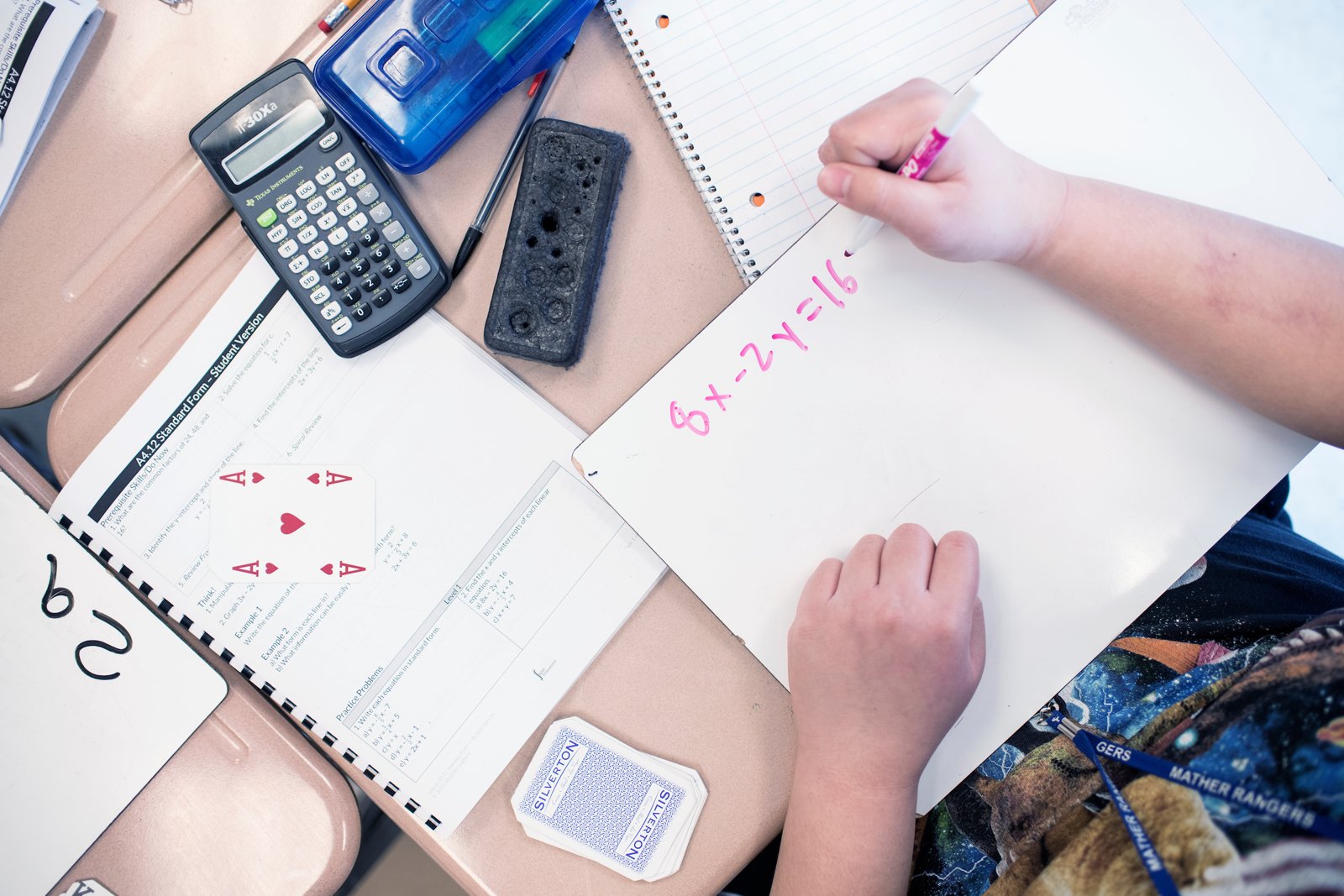
Miss one concept, and the next one gets harder. By middle school and Algebra 1, those gaps can grow too wide for one teacher to close with a full classroom. Nearly one million students risk failing Algebra 1 each year.
The stakes reach past the classroom. Math skills are more closely linked to adult earnings than reading, health, or relationships. And years after the pandemic, U.S. math scores remain at or near their lowest level.
A trained tutor works with the same small group of two to four middle or high school students, at least three times a week, for the full school year. Tutoring is built into the school day and follows what students are learning in class. Tutors are trained, coached, and follow a structured curriculum.
The relationship is the engine.
Students gain an adult who shows up every week and expects them to succeed, and about two-thirds rate that relationship 8 out of 10 or higher.
Saga works
Saga’s tutoring has been tested in multiple large randomized controlled trials, the gold standard of rigorous research studies. The trials included more than 6,000 ninth and tenth graders in Chicago and New York City public schools. Students who received tutoring gained about twice as much math learning as in a typical year, and those gains were still evident one to two years later.
Highlights from recent research and program evaluations include:
In New York City, a study by the research organization MDRC found that tutored students passed the state Regents math exam at a 25% higher rate than a comparison group.
In Chicago in the 2024–25 school year, more than 70% of students tutored by Saga ended the year with a B or better in math, compared with 56% across the district, according to the University of Chicago Education Lab.
In July, Chicago Public Schools’ director for math told the Chicago Board of Education that Saga is the district’s “most effective high school intervention” for students furthest from opportunity.
“Saga is that vanishingly rare kind of organization that is so deeply committed to large-scale impact that they continue to subject their efforts to the highest standard of scientific rigor, which is not easy. But they understand ultimately their sacrifice and their efforts are in service of creating knowledge for the benefit of generations of children and families still to come.”
Roseanna Ander, founding director, University of Chicago Education Lab
A full year of small-group math tutoring costs $1,500 per student.
Give a student a tutor in their corner.
Every gift brings a student closer to a tutor who shows up for them, three times a week, all year.
Your donation can go 3–4 times as far. Give by January 31 while matching funds remain available.
Help Saga Change the Equation so more students succeed.
84% of Saga’s spending goes directly to programs, and 2% to fundraising. Saga earned the highest possible designation – the Platinum Seal of Transparency – from Candid, a leading source of information about nonprofit organizations.