
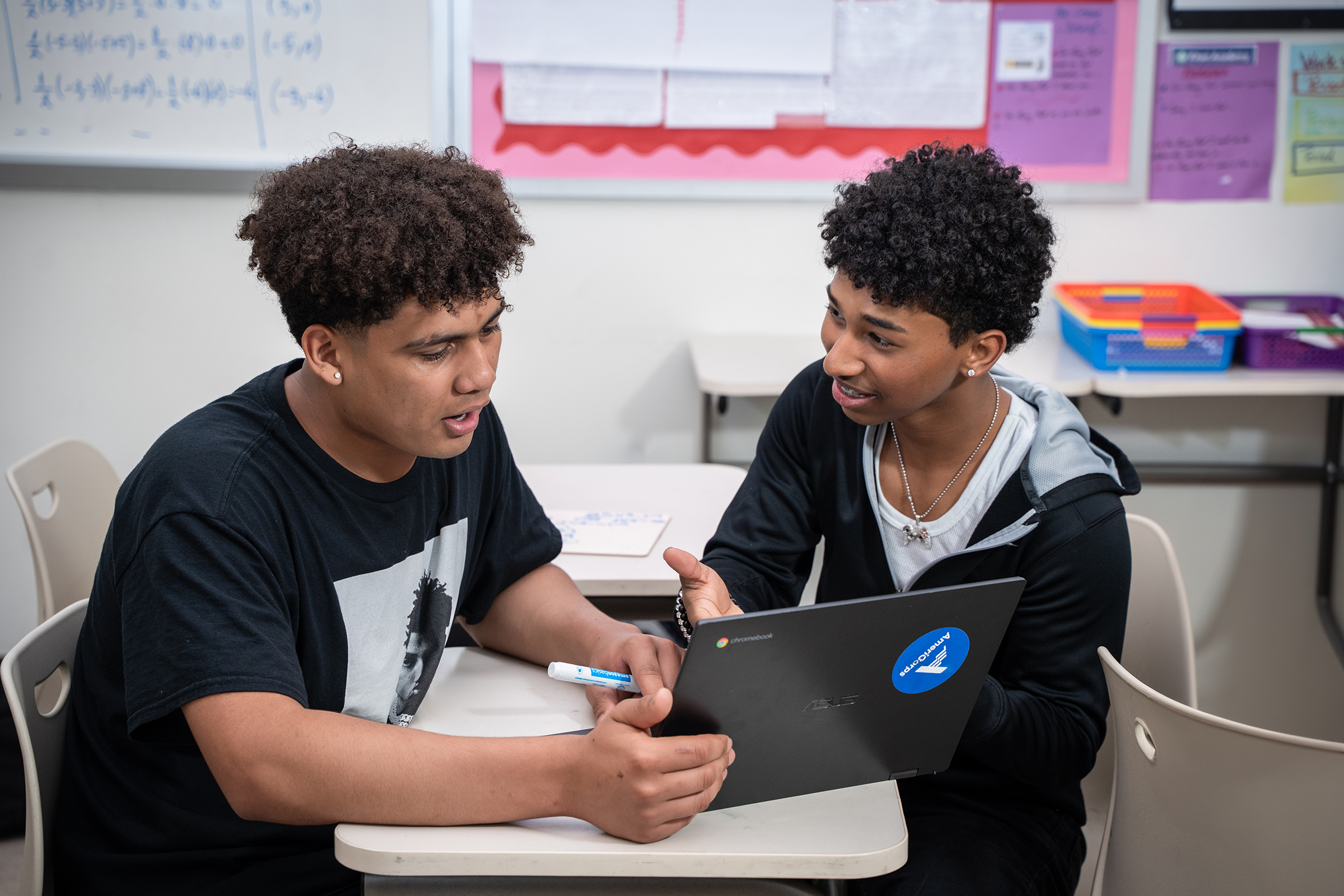
High-impact tutoring (HIT) delivers the results schools need, accelerating student learning and closing equity gaps. Drawing from the recent EdWeb Webinar, "Turning Around Schools with High-Impact Tutoring," moderated by Saga Education CEO Alan Safran, we highlight five strategic levers that make HIT programs successful and sustainable.
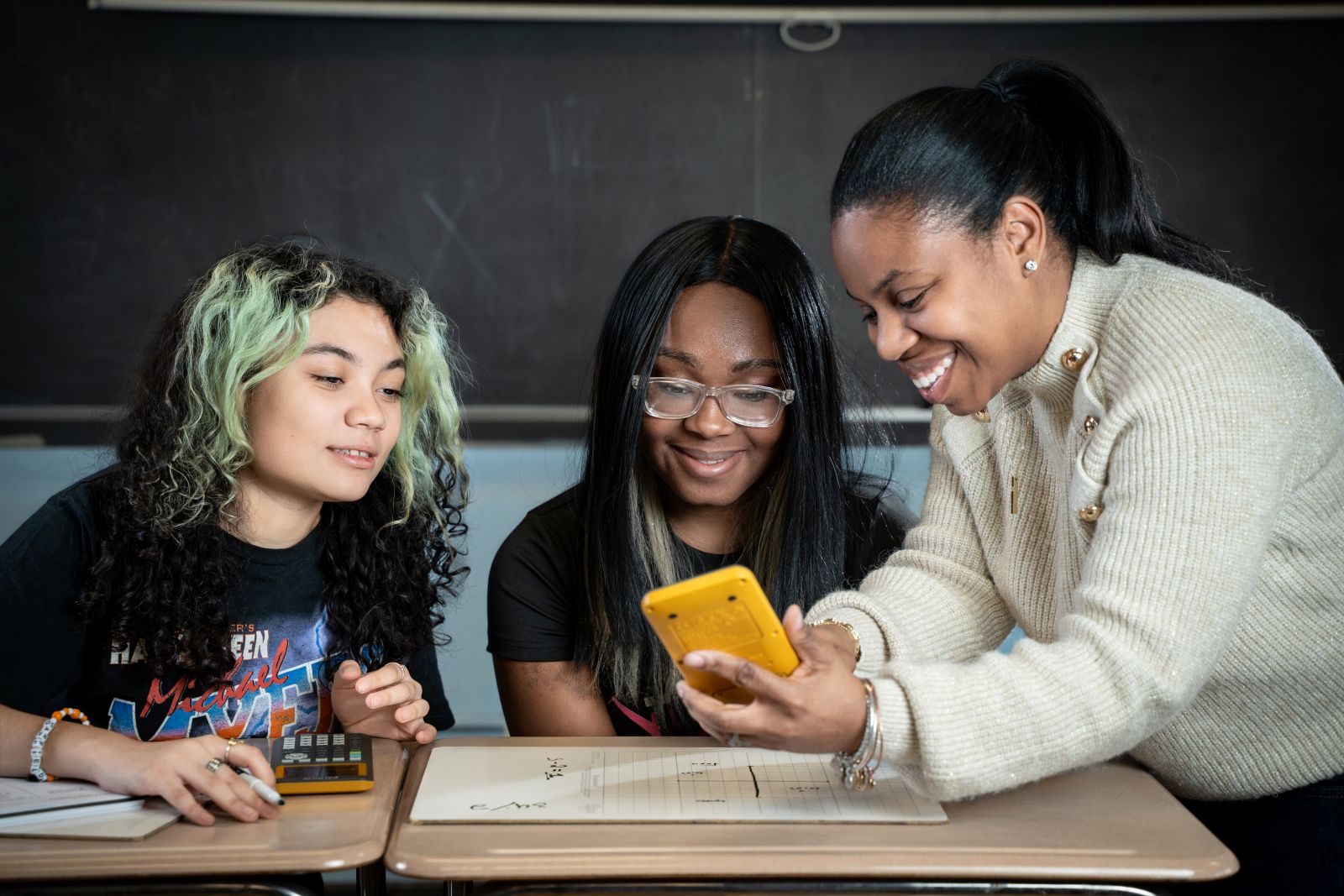
In the first four weeks with Saga tutors, districts see what effective, high-impact tutoring looks like in action. Through co-design, structured onboarding, and Saga’s Quality Tutoring Framework, tutors build strong relationships, deliver aligned instruction, and create early academic momentum. District leaders gain confidence in program consistency, measurable student progress, and a scalable model that strengthens both student learning and the future educator pipeline.
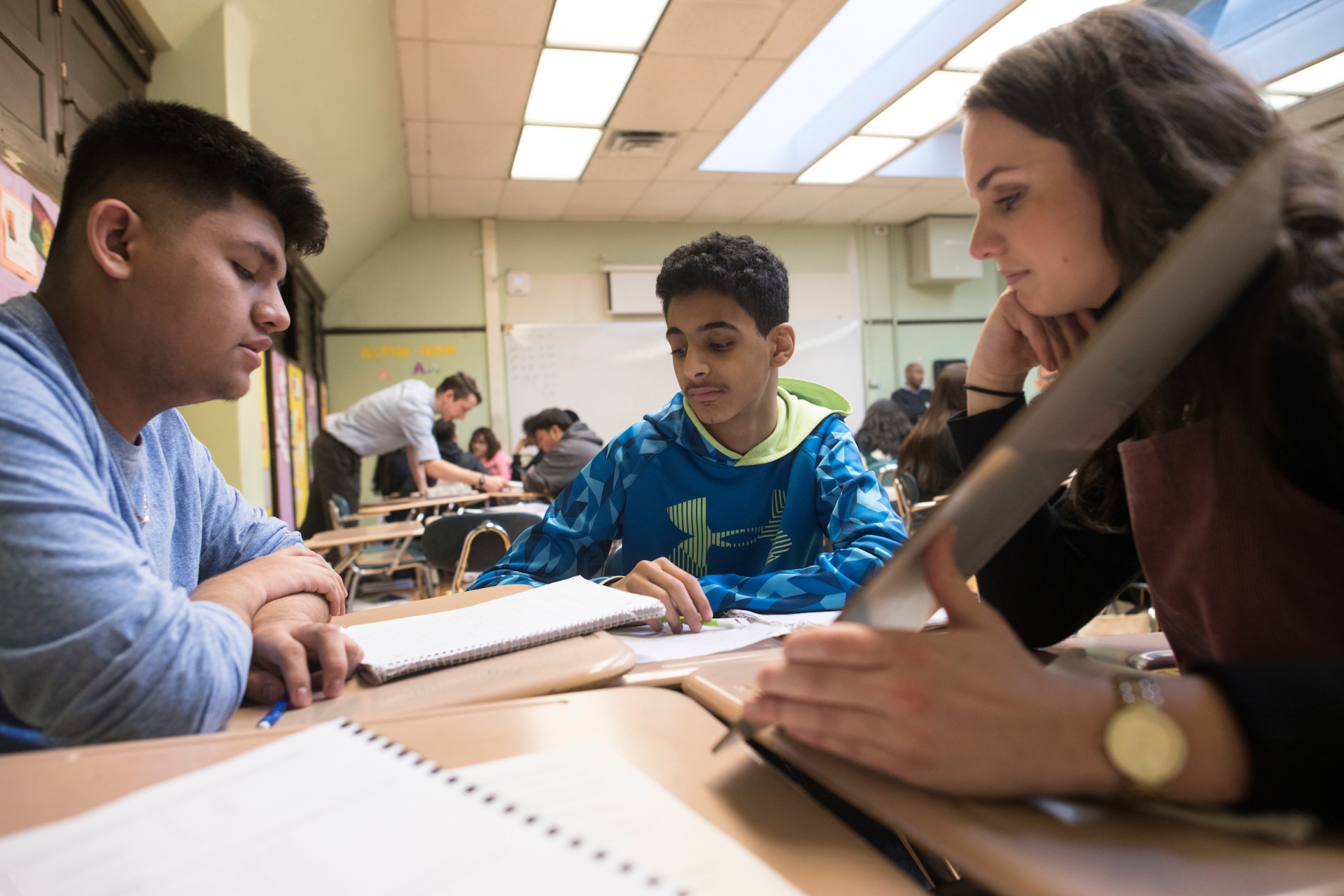
High-impact tutoring involves trained tutors, supported by ongoing coaching, who supplement classroom instruction by providing small-group, personalized attention. Ideally, tutoring occurs three times a week for 30-50 minutes during the school day throughout the whole school year. Research shows tutoring helps students recover months of unfinished learning.

A new brief from the University of Chicago Education Lab highlights strong early results from New Mexico’s live online high-impact tutoring program, co-designed with Saga Education. Embedded during the school day, the initiative significantly improved middle school math outcomes, especially in rural areas. Saga’s structured curriculum and co-design approach ensured high attendance and program fidelity, reinforcing the power of in-school tutoring to drive equity and accelerate student learning at scale.
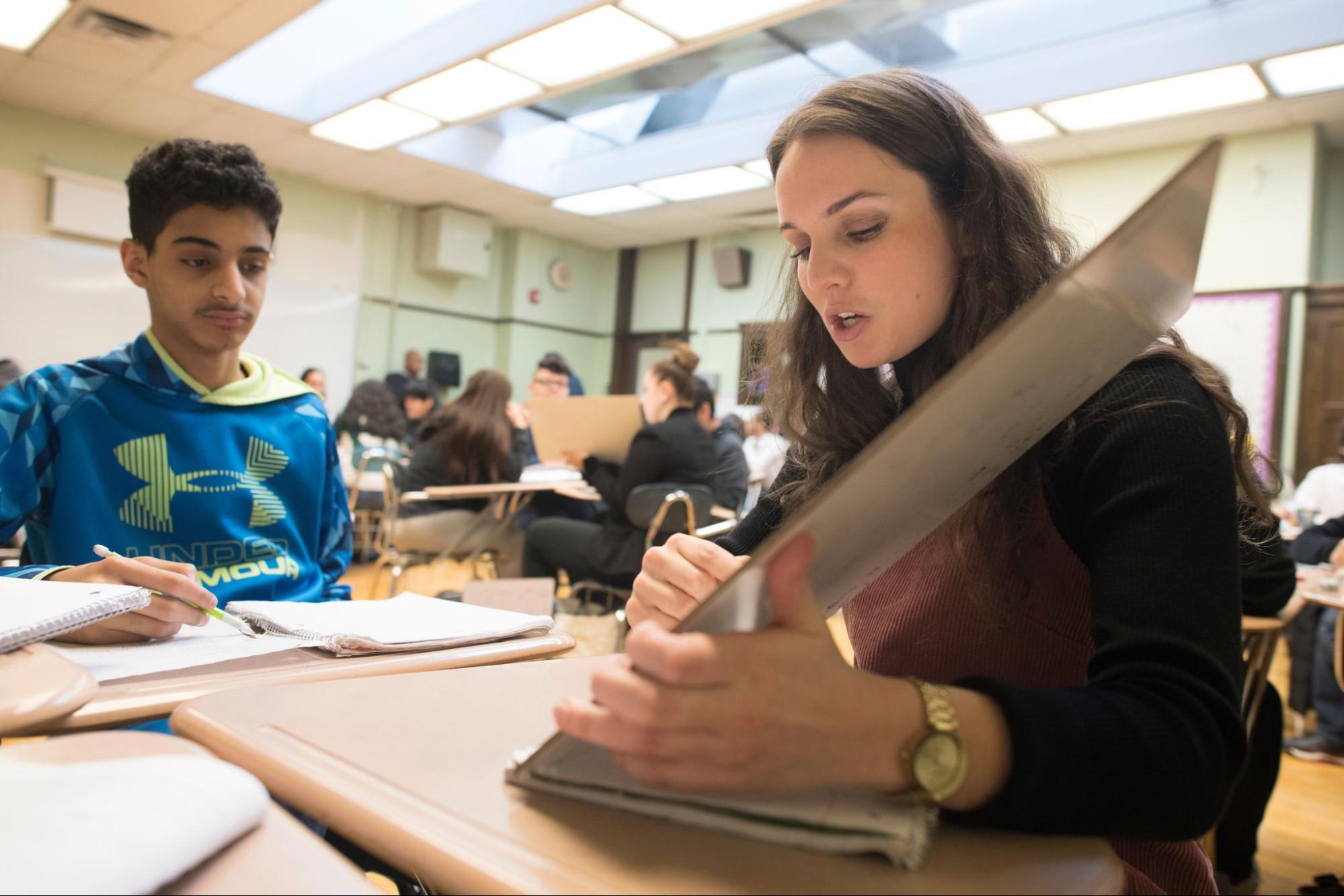
School districts nationwide used federal emergency funding to launch high-impact tutoring programs. Research shows that when implemented well, high-impact tutoring can generate months of additional learning and address other potential challenges schools face, including building a teacher pipeline. With these funding sources expiring, states and districts must seek alternative funding sources to sustain tutoring programs.

The “Would You Rather” activity helps students practice communication, active listening, and critical thinking by posing dilemmas that spark discussion. It supports social-emotional learning by encouraging self-awareness and respectful dialogue. In math, it shifts focus from memorization to reasoning, real-world application, and collaboration. This playful, low-stakes format helps students see math as a tool and shared experience, building confidence, community, and essential problem-solving skills.