
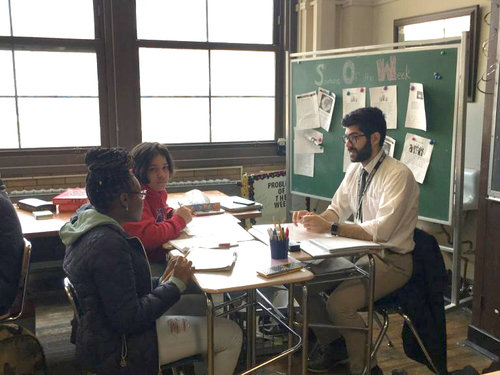
Shannon Kohm, Assistant Principal at the High School of Fashion Industries, explains how high-impact tutoring led to a 94% Algebra I pass rate and created a 'home' for students.

In this post, we share highlights of our conversation with Marguerite Roza, director of the Edunomics Lab at Georgetown University and a senior advisor at Whiteboard Advisors, about the budget realities facing school districts with federal relief funds gone. She suggests that with previous staff expansion resulting from Covid relief funds, and now with declining student enrollment, districts might seize the opportunity to realign resources and right-size their workforce instead of simply shrinking with attrition.
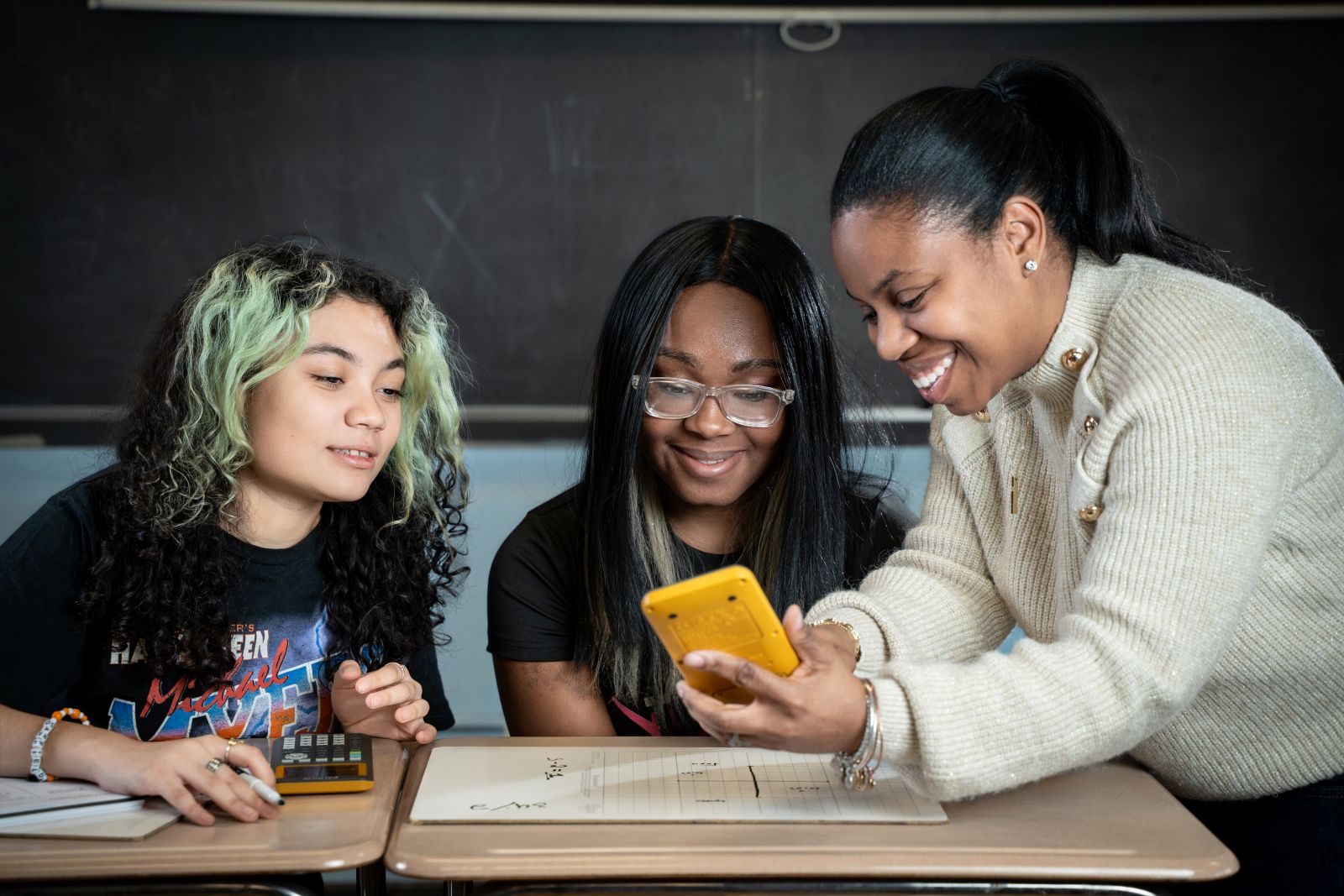
In the first four weeks with Saga tutors, districts see what effective, high-impact tutoring looks like in action. Through co-design, structured onboarding, and Saga’s Quality Tutoring Framework, tutors build strong relationships, deliver aligned instruction, and create early academic momentum. District leaders gain confidence in program consistency, measurable student progress, and a scalable model that strengthens both student learning and the future educator pipeline.

This summer, the U.S. Department of Education issued new guidance to states on how to help schools better serve students under federal school choice provisions. The message was clear: families deserve access to strong educational options, and states must hold districts accountable for building interventions that actually move the needle on student learning.
At Saga Education, our tutors are more than just academic support—they’re future classroom leaders. That belief inspired the launch of our pilot initiative this past school year (SY24-25): the Future Teacher Cohort, a professional learning community designed to support Saga tutors who aspire to become full-time K-12 teachers.

The “Would You Rather” activity helps students practice communication, active listening, and critical thinking by posing dilemmas that spark discussion. It supports social-emotional learning by encouraging self-awareness and respectful dialogue. In math, it shifts focus from memorization to reasoning, real-world application, and collaboration. This playful, low-stakes format helps students see math as a tool and shared experience, building confidence, community, and essential problem-solving skills.