
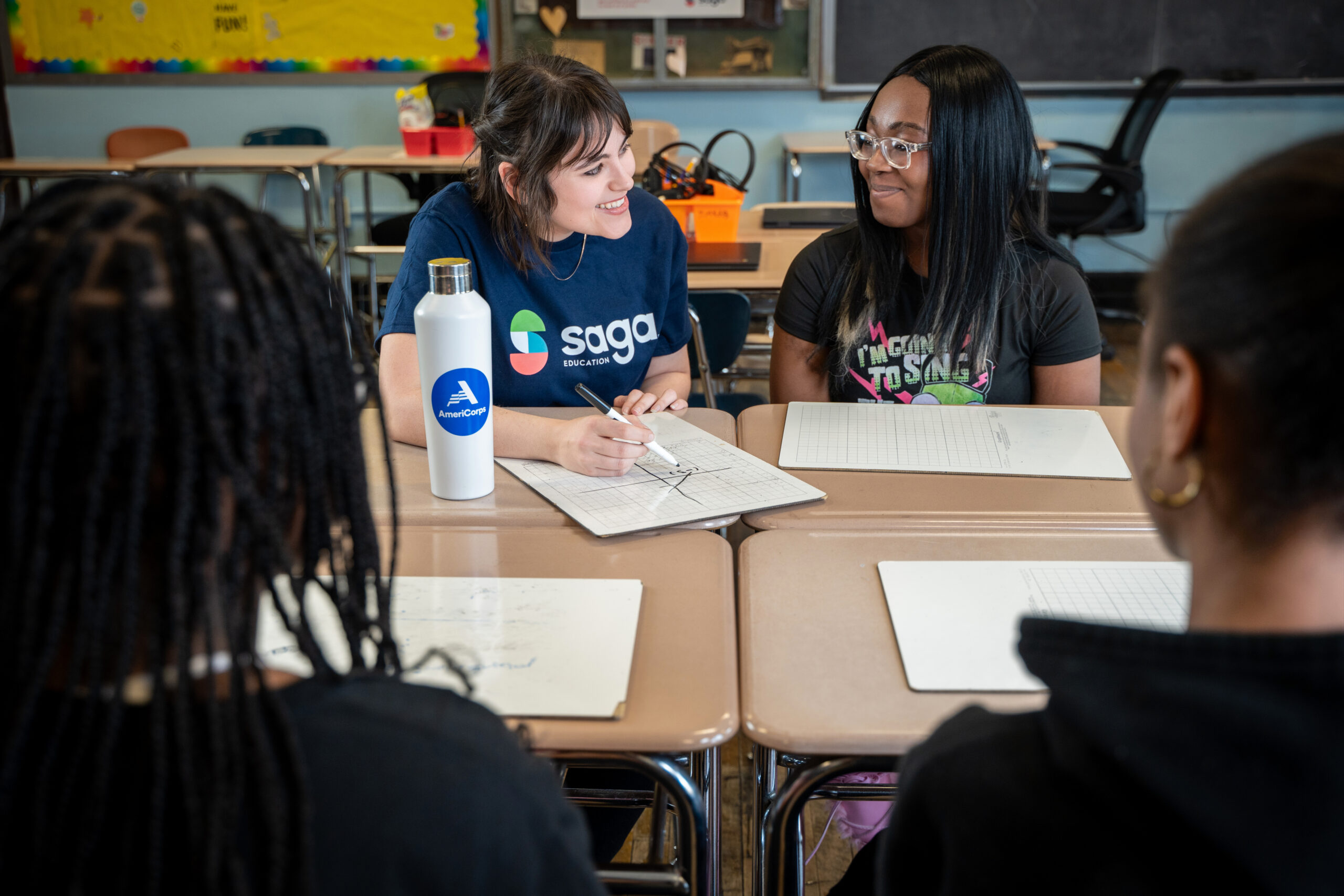
High-impact live-online math tutoring has proven to significantly boost student performance in New Mexico when schools follow best practices and leverage strategic partnerships for curriculum and tutor training.
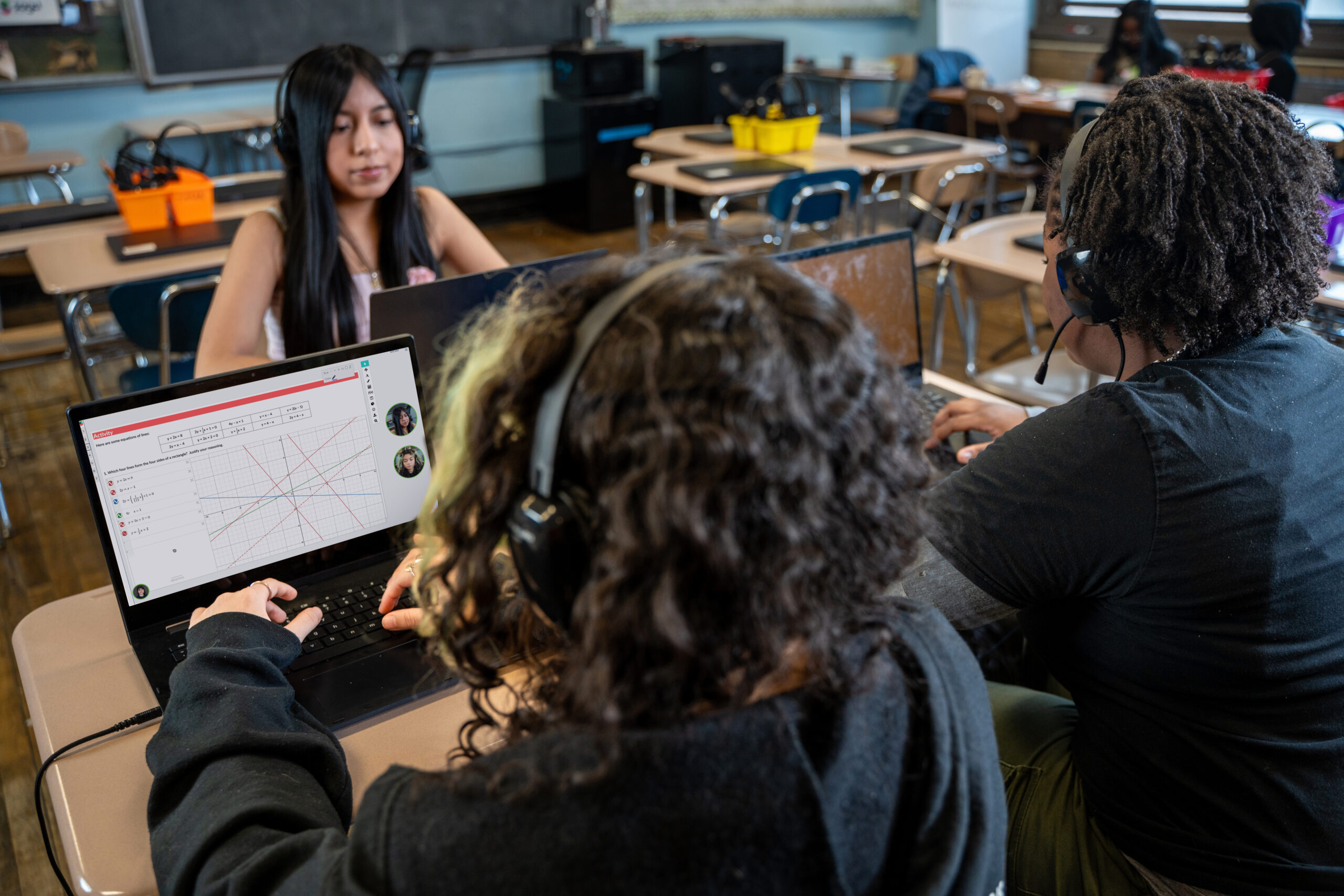
Saga Education's live-online high-impact tutoring model significantly increased NYC high school students' math GPAs and Regents exam pass rates according to a study by MDRC. By blending remote live tutoring with computer-assisted learning, this cost-effective program offers a proven path to accelerate student learning and build long-term math proficiency.
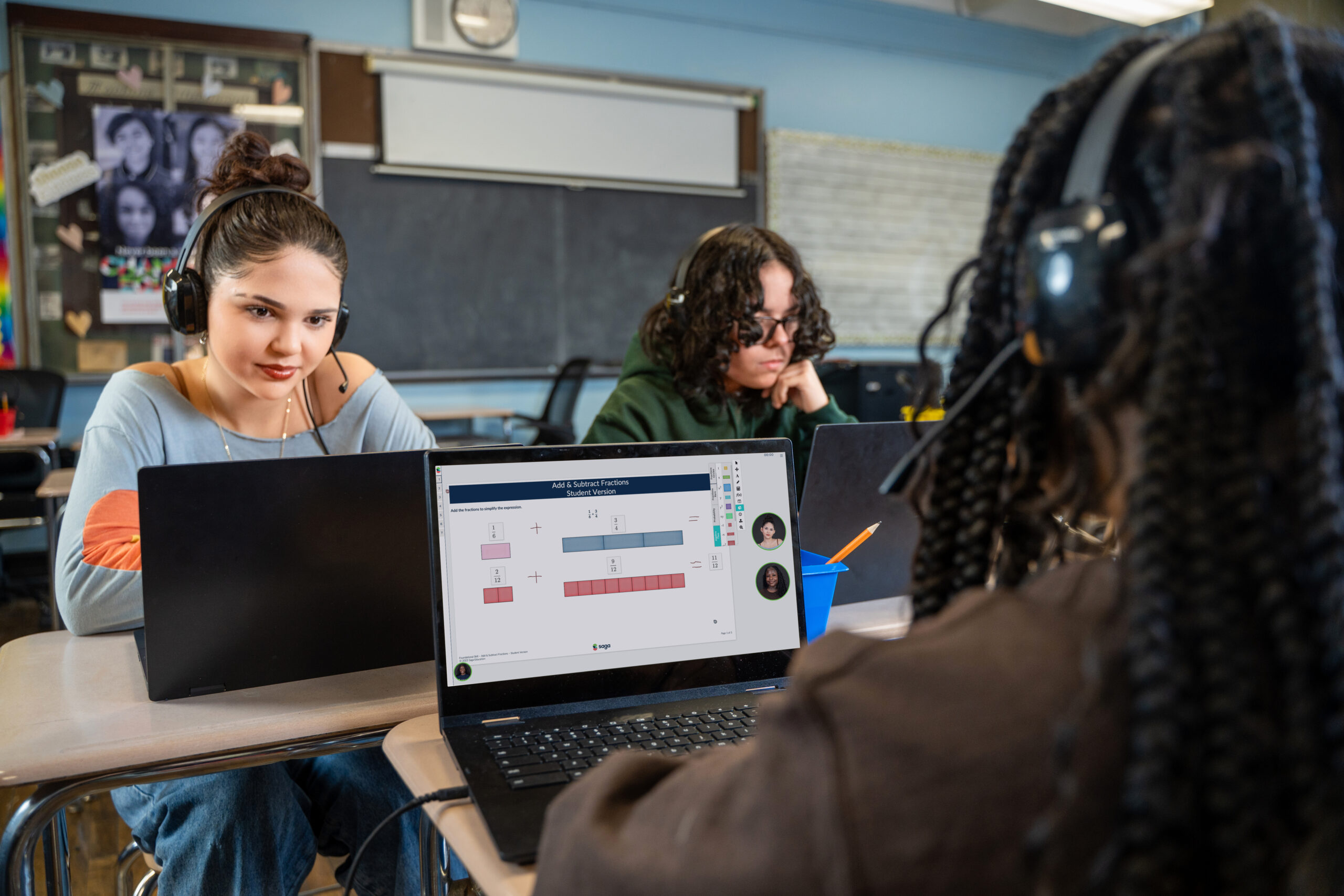
High-impact tutoring is an effective, evidence-based practice best delivered during the school day to align with curricula and ensure attendance. However, when logistical barriers make in-school programs difficult, after-school tutoring can serve as a rigorous and impactful alternative for student success.
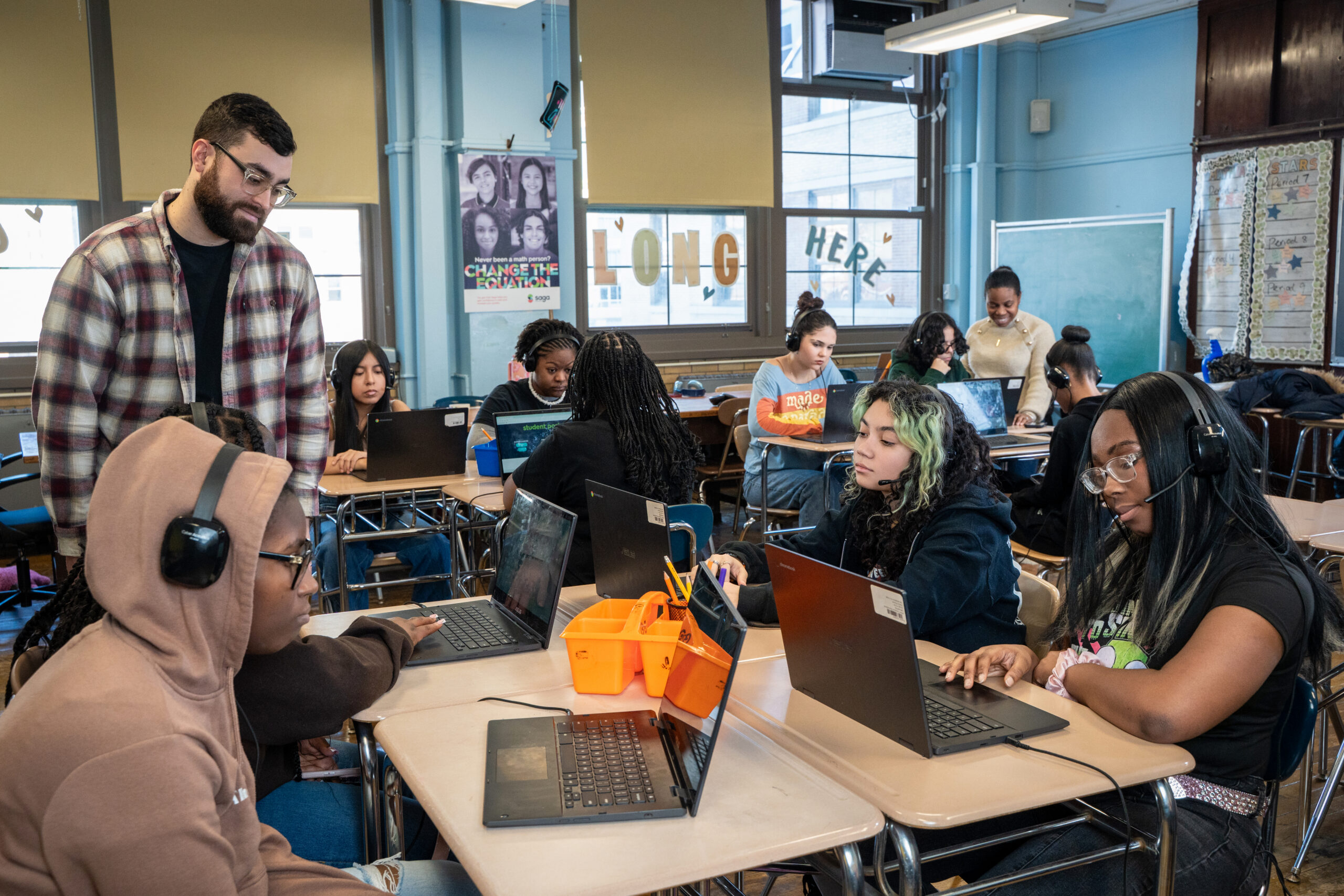
The Chicago Board of Education authorized a new agreement for the tutoring program partnership between Chicago Public Schools and Saga Education at its July 30, 2026 meeting. Saga will provide high-impact math tutoring to 1,800 students across the district in the 2026-2027 school year.
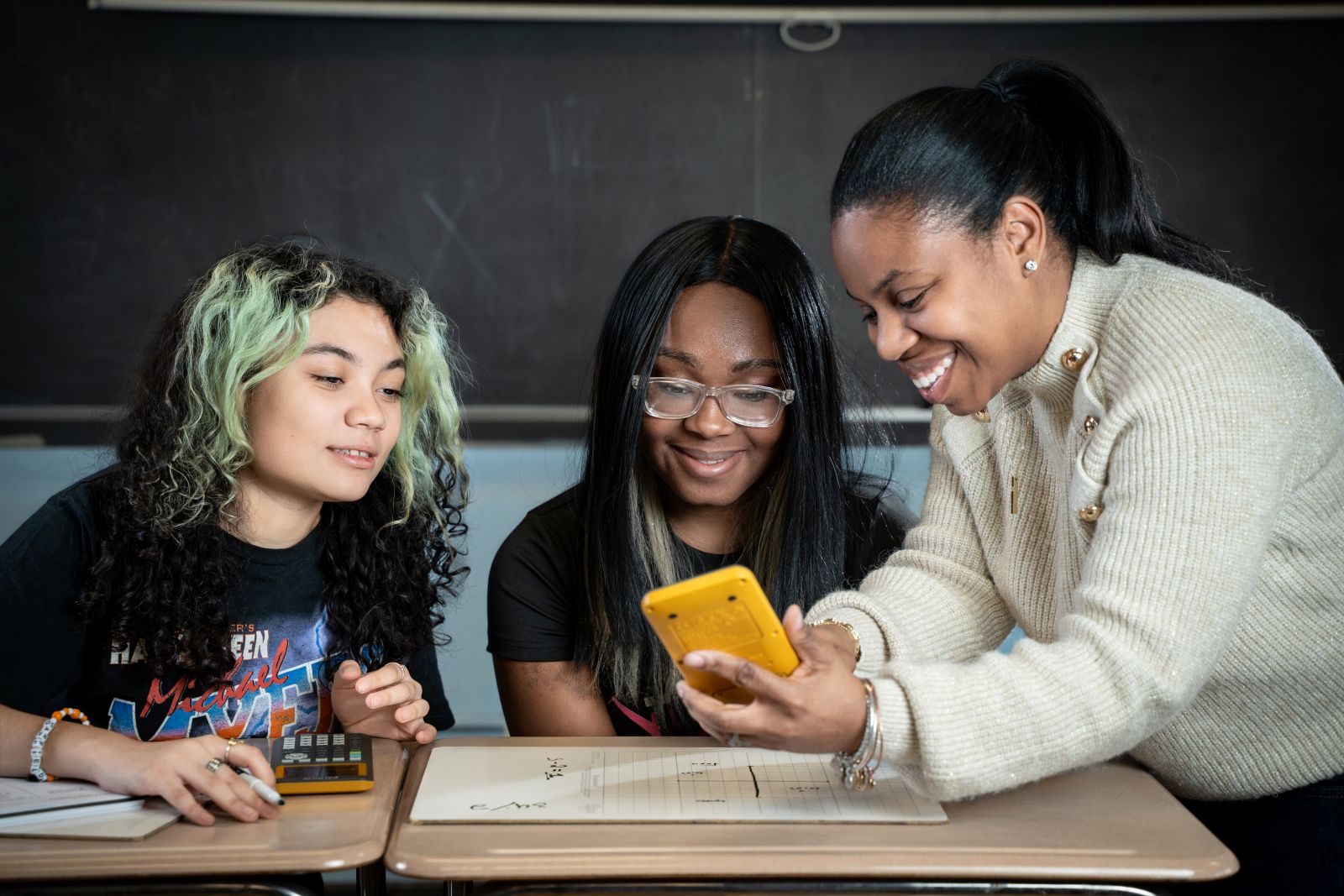
In the first four weeks with Saga tutors, districts see what effective, high-impact tutoring looks like in action. Through co-design, structured onboarding, and Saga’s Quality Tutoring Framework, tutors build strong relationships, deliver aligned instruction, and create early academic momentum. District leaders gain confidence in program consistency, measurable student progress, and a scalable model that strengthens both student learning and the future educator pipeline.

A new brief from the University of Chicago Education Lab highlights strong early results from New Mexico’s live online high-impact tutoring program, co-designed with Saga Education. Embedded during the school day, the initiative significantly improved middle school math outcomes, especially in rural areas. Saga’s structured curriculum and co-design approach ensured high attendance and program fidelity, reinforcing the power of in-school tutoring to drive equity and accelerate student learning at scale.