

In the first four weeks with Saga tutors, districts see what effective, high-impact tutoring looks like in action. Through co-design, structured onboarding, and Saga’s Quality Tutoring Framework, tutors build strong relationships, deliver aligned instruction, and create early academic momentum. District leaders gain confidence in program consistency, measurable student progress, and a scalable model that strengthens both student learning and the future educator pipeline.

A new brief from the University of Chicago Education Lab highlights strong early results from New Mexico’s live online high-impact tutoring program, co-designed with Saga Education. Embedded during the school day, the initiative significantly improved middle school math outcomes, especially in rural areas. Saga’s structured curriculum and co-design approach ensured high attendance and program fidelity, reinforcing the power of in-school tutoring to drive equity and accelerate student learning at scale.

High-impact tutoring combines academics with emotional support. Building strong tutor-student relationships is key. By focusing on social and emotional learning (SEL), tutors can help students develop skills like self-awareness, empathy, and problem-solving. This approach boosts confidence, motivation, and overall academic success.
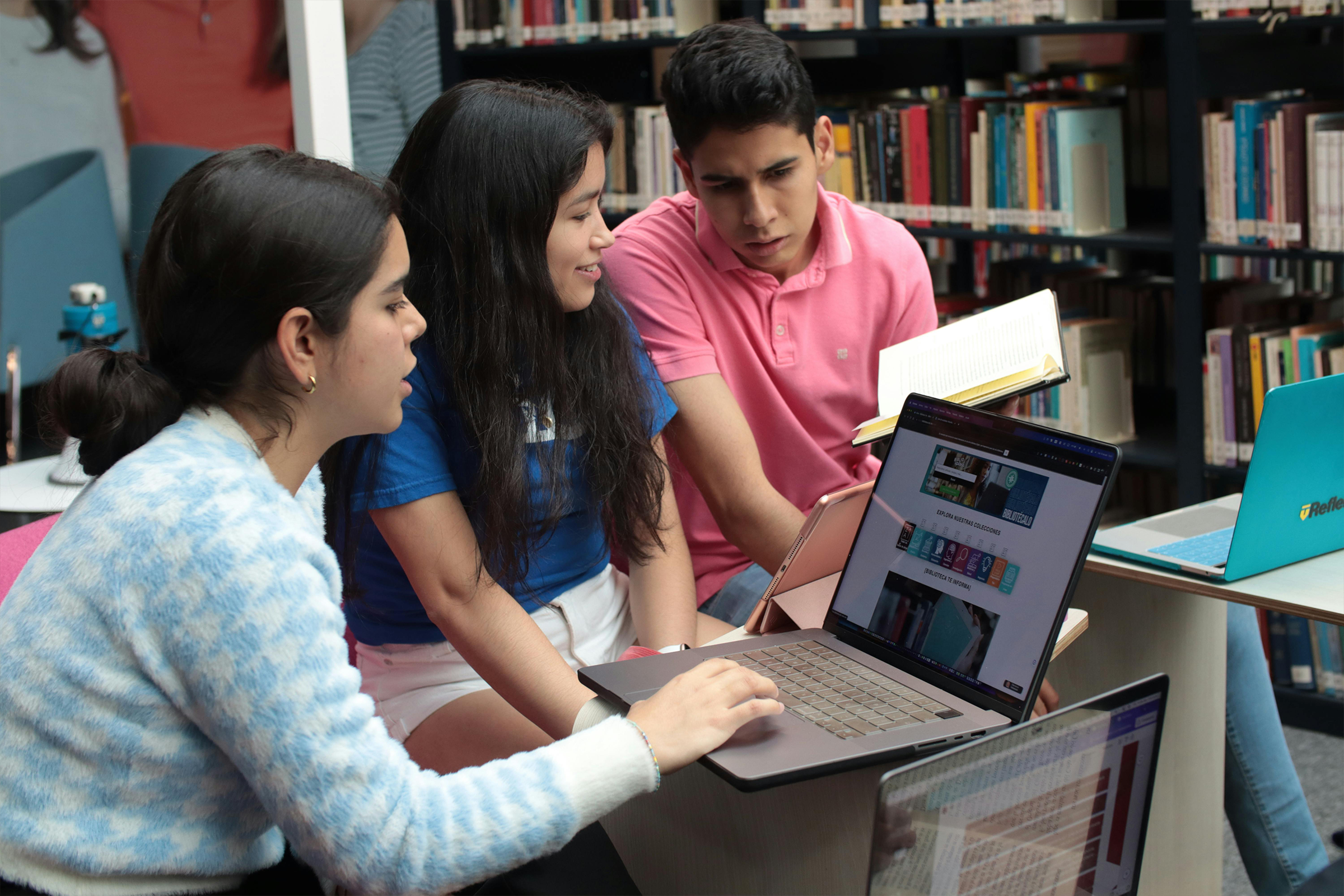
Struggling students thrive with Saga Education's daily, in-school tutoring. Our program integrates seamlessly with core curriculum, providing targeted support and fostering positive relationships. Learn how Saga Education can empower your students, support your teachers, and strengthen your school.

A new study by the University of Chicago Education Lab highlights the effectiveness of district-led tutoring programs co-designed with Saga Education to solve pandemic-related learning loss.

The second tutoring bill, The Partnering Aspiring Teachers with High-Need Schools (PATHS) to Tutors Act, is a bipartisan bill that will expand access to one-on-one and small-group tutoring in underserved communities significantly affected by the pandemic.