
At Saga Education, our tutors are more than just academic support—they’re future classroom leaders. That belief inspired the launch of our pilot initiative this past school year (SY24-25): the Future Teacher Cohort, a professional learning community designed to support Saga tutors who aspire to become full-time K-12 teachers.
While many tutors enter the classroom for a year or two of service, we know it’s just the beginning for some. They’re testing the waters of education, building foundational educator skills, and considering the leap to a long-term teaching career. Our Future Teacher Cohort aimed to bridge that transition by offering regular support, discussion, and development tailored to the unique needs of transitioning tutors.
Why a Cohort for Future Teachers?
We launched this program with a clear goal: to strengthen the tutor-to-teacher pipeline by giving interested tutors a space to explore teaching as a profession more deeply. Through monthly discussion-based meetings and optional coaching, we created a supportive environment where tutors could reflect on their experiences, connect with like-minded peers, and build confidence in their teaching potential.
The pilot cohort included eight members through a process that considered both application responses and site director recommendations. Tutors came from three cities where Saga operated, and most served in person at school sites.
Building Skills Through Conversation and Connection
Each month, the cohort gathered to engage in rich conversations about teaching. We experimented with various formats—discussion prompts, vignettes, guest speakers, and reflective readings—to spark insight and peer sharing. These were not lectures or formal trainings; they were dynamic, tutor-driven spaces where ideas flowed and experiences were validated.
One tutor described the experience as a chance to “assess for myself my skill level to be a teacher.” In contrast, another appreciated “hearing about real-life classroom experience from others” on a similar path. That exposure to real stories and candid advice from veteran teachers helped make the possibility of teaching feel tangible.
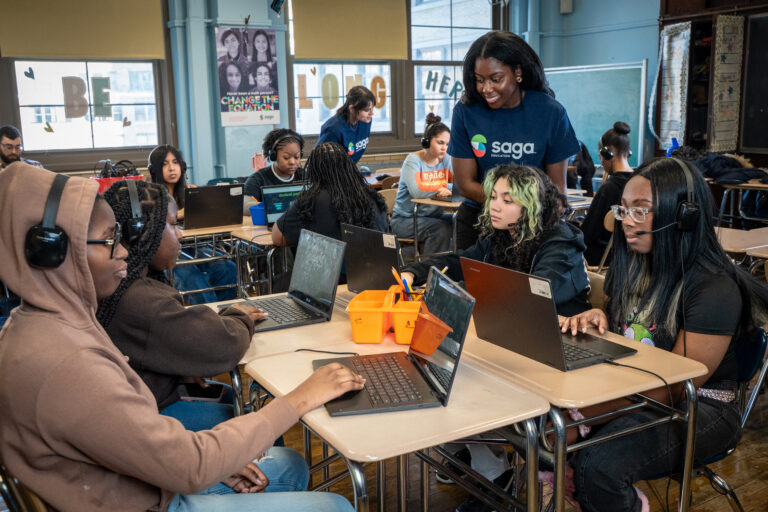
We also offered an optional personalized observation and coaching session. While uptake was limited, one tutor who completed it called it “the greatest benefit from the program.” It allowed for individualized feedback and deeper conversations about pedagogy.
What We Learned—and What's Next
Mixed Attendance, High Engagement
Attendance varied, with about half the cohort participating regularly in at least three sessions. Evening sessions, especially in winter, were better attended than midday options. Still, those who showed up found tremendous value in the sessions and frequently asked for more frequent meetings, role-playing, and feedback.
The tutors especially enjoyed sessions where they could shape the conversation. Open Q&A, peer discussion, and guest speakers scored highest in post-program surveys. In short, agency, authenticity, and connection drove the cohort’s success. The positive feedback and high engagement of the tutors are a testament to the value of the Future Teacher Cohort and should make us all proud of what we’ve achieved.
Small Gains, Big Potential
On average, participating tutors were already highly committed to becoming educators prior to the program. By the end of the year, the number of tutors who expressed an interest in becoming educators had increased. A powerful qualitative takeaway is that participants left more confident, informed, and connected to a community of peers on a similar journey. This growth in confidence and the sense of belonging to a supportive community is a testament to the potential of our Future Teacher Cohort.
“I think the connections I gained from this program made it successful. It was really great to connect with others and learn from their experiences. Practical information that I can use to inform current and future teaching.”
Scaling for Greater Impact
The pilot was modest in size and scope but showed real promise. There are no plans to move forward with a second iteration of the Future Teacher Cohort at the moment, however, if we do, here are several key improvements we will consider:
- Expand the cohort size to include 12–15 members
- Stick to evening sessions, which proved more accessible for tutors
- Include more guest speakers, especially former tutors-turned-teachers
- Refine activities to balance structure with opportunities for tutor voice and leadership
- Eliminate in-person observations to alleviate various implementation challenges
We’ll also communicate clearer expectations around scheduling and participation upfront, ensuring tutors can commit fully and benefit from the experience.
A Shared Commitment to the Classroom
The Future Teacher Cohort reflects our broader mission at Saga Education: to support students in the moment and build long-term capacity for the future of education. By investing in the growth of our tutors, we’re helping shape educators who bring empathy, experience, and a deep understanding of student needs into the classroom. This shared commitment to the classroom is what unites us all and makes our work at Saga Education so meaningful.
For tutors wondering, “Could I be a teacher?”, this cohort offers a space to explore that question honestly—with peers who understand the journey and mentors ready to support it. We’re excited to continue this work and to see more Saga tutors take that next bold step into the classroom.