

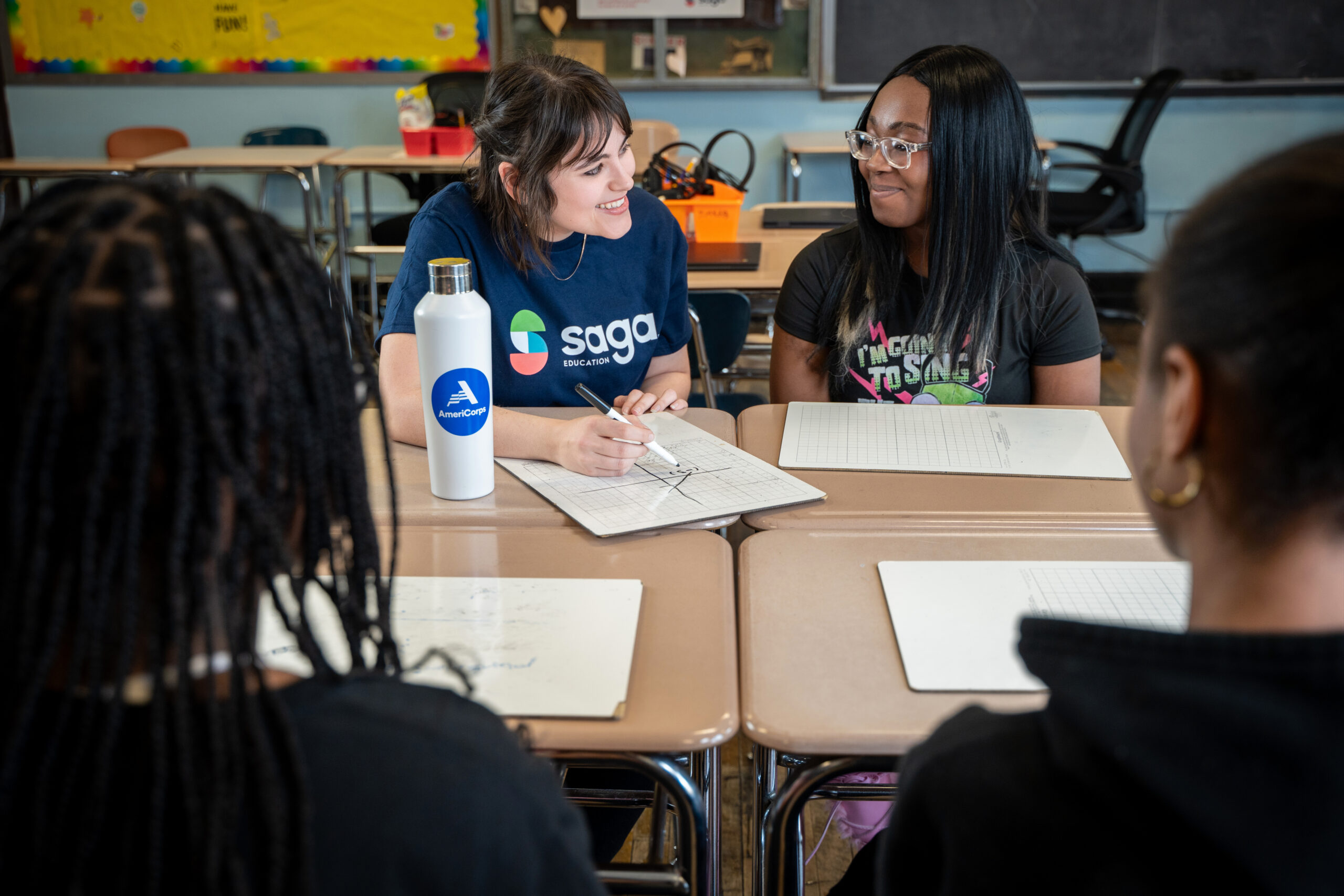
High-impact live-online math tutoring has proven to significantly boost student performance in New Mexico when schools follow best practices and leverage strategic partnerships for curriculum and tutor training.
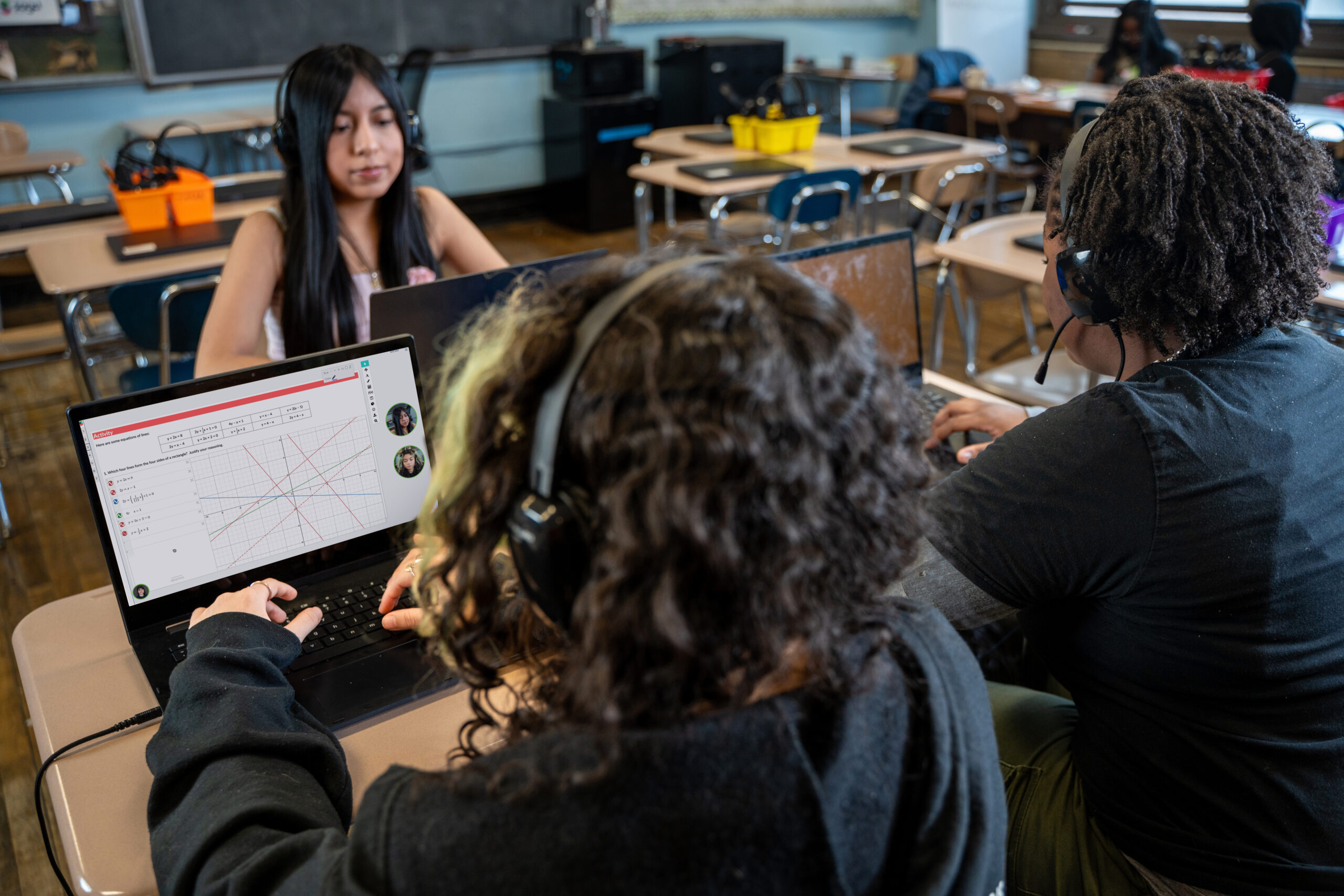
Saga Education's live-online high-impact tutoring model significantly increased NYC high school students' math GPAs and Regents exam pass rates according to a study by MDRC. By blending remote live tutoring with computer-assisted learning, this cost-effective program offers a proven path to accelerate student learning and build long-term math proficiency.
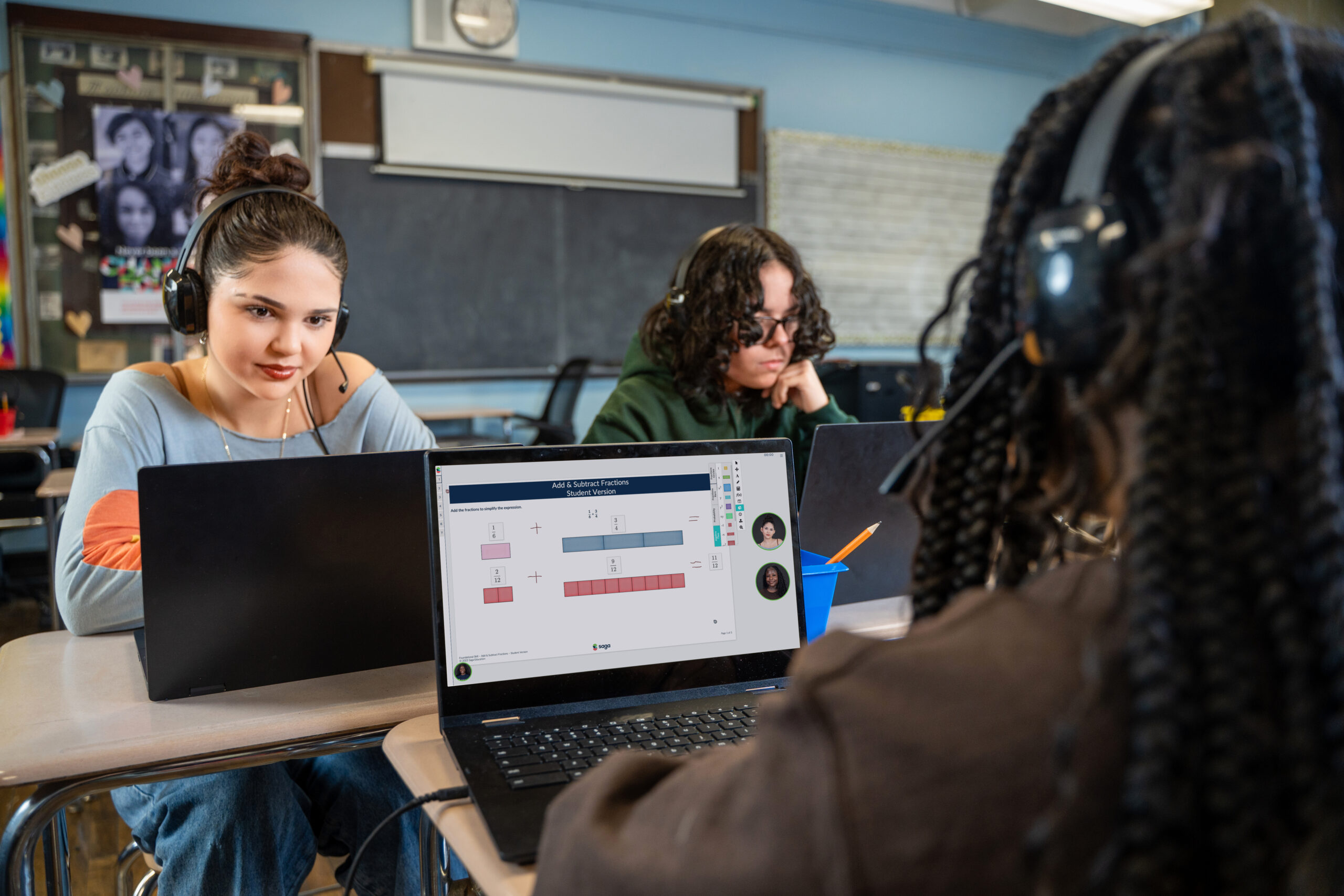
High-impact tutoring is an effective, evidence-based practice best delivered during the school day to align with curricula and ensure attendance. However, when logistical barriers make in-school programs difficult, after-school tutoring can serve as a rigorous and impactful alternative for student success.
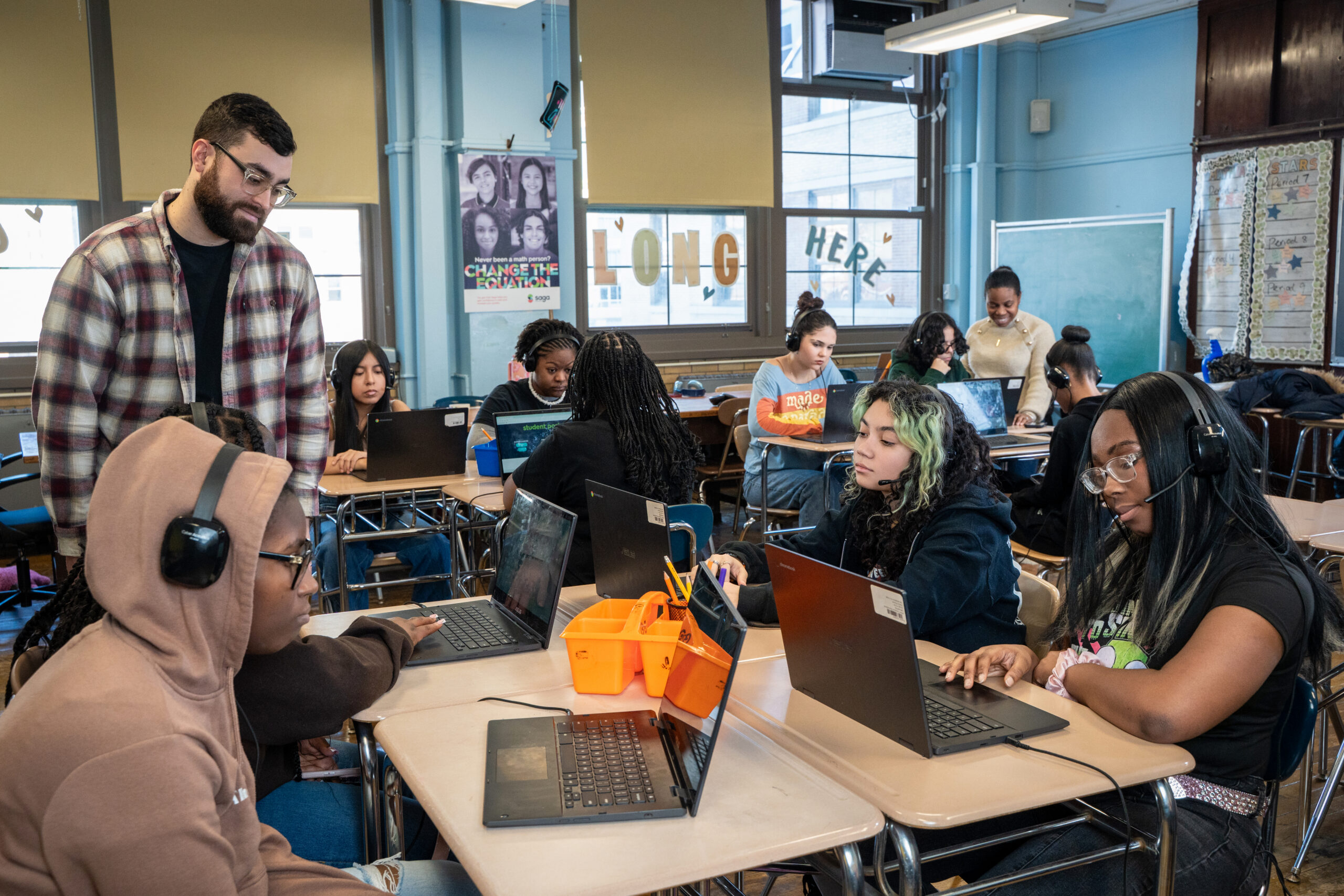
The Chicago Board of Education authorized a new agreement for the tutoring program partnership between Chicago Public Schools and Saga Education at its July 30, 2026 meeting. Saga will provide high-impact math tutoring to 1,800 students across the district in the 2026-2027 school year.

The State Partnership for Proven Programs offers Oklahoma school districts matching philanthropic funding to implement Saga's evidence-based math tutoring. Research shows Saga raises state test scores by over 70 percent of a grade level — and districts like Moore Public Schools are already seeing the difference.
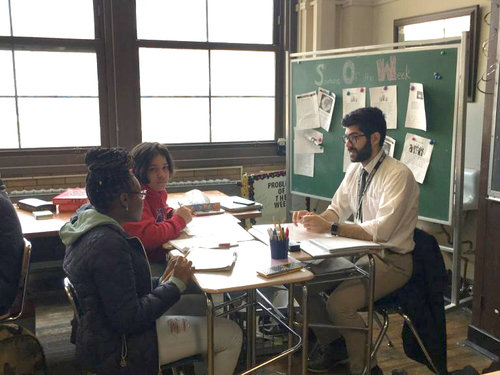
Shannon Kohm, Assistant Principal at the High School of Fashion Industries, explains how high-impact tutoring led to a 94% Algebra I pass rate and created a 'home' for students.

In this post, we share highlights of our conversation with Marguerite Roza, director of the Edunomics Lab at Georgetown University and a senior advisor at Whiteboard Advisors, about the budget realities facing school districts with federal relief funds gone. She suggests that with previous staff expansion resulting from Covid relief funds, and now with declining student enrollment, districts might seize the opportunity to realign resources and right-size their workforce instead of simply shrinking with attrition.
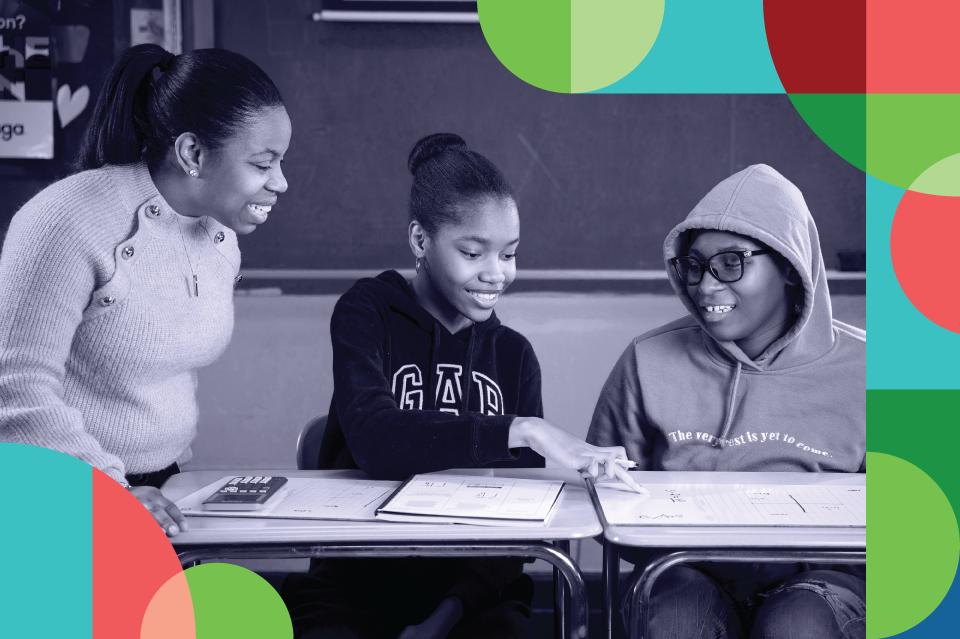
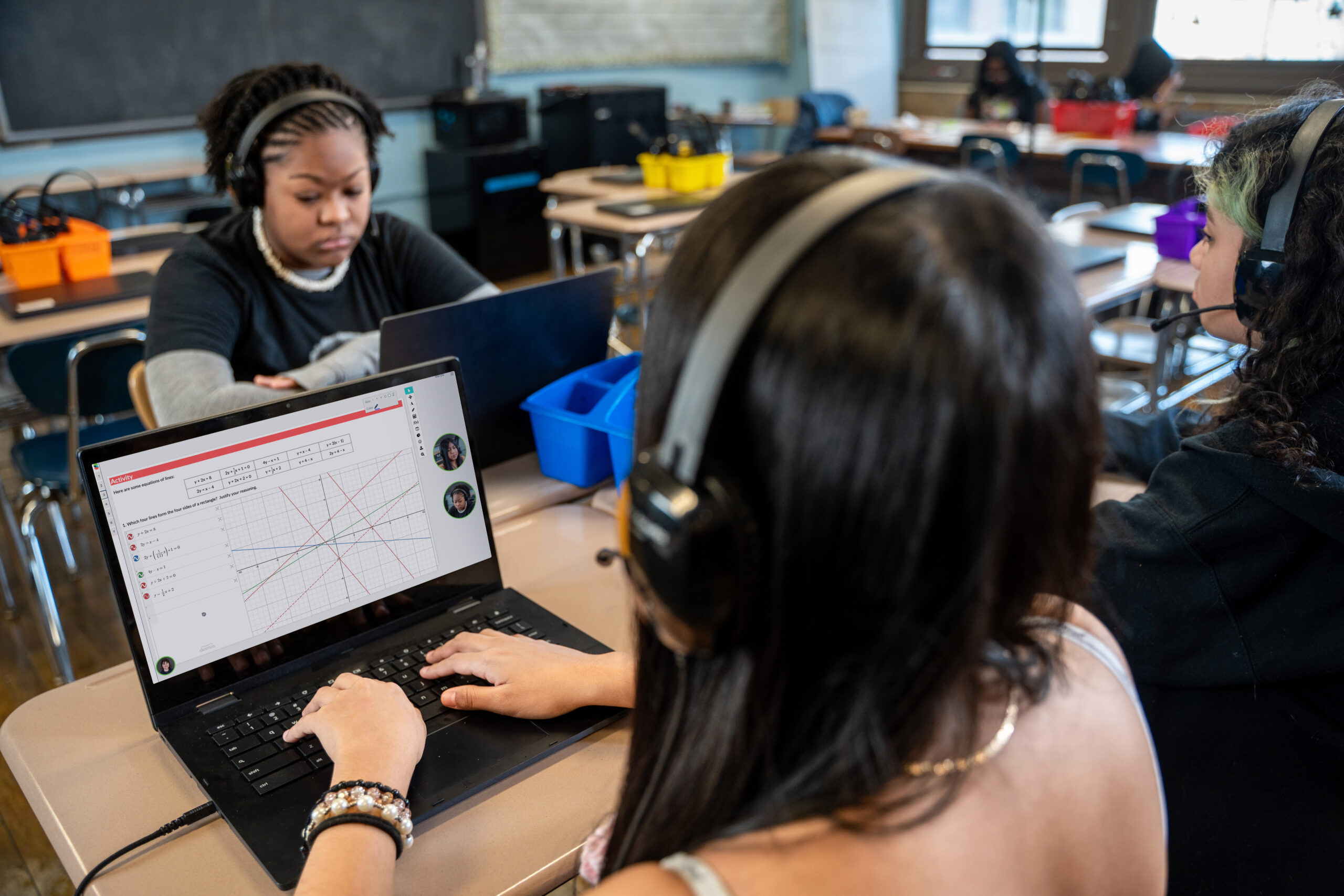
This article explores the successful design of New Mexico's high-impact live-online tutoring program, highlighting three key pillars: teacher-tutor collaboration, in-person site coordination, and maximizing student talk time. It also details how Michelle Korbakes, New Mexico Public Education Department Project Manager, coaches tutors by leveraging data from the Saga's live-online tutoring platform.